A child in foster care has no adult with an independent reason to protect them. That is not a rhetorical point. It is the structural fact that every one of these claims rests on. The County decided where the child slept, who they lived with, and whether anyone checked. When that decision was made carelessly and a child was harmed, the County is answerable for it.
What the settlements cover
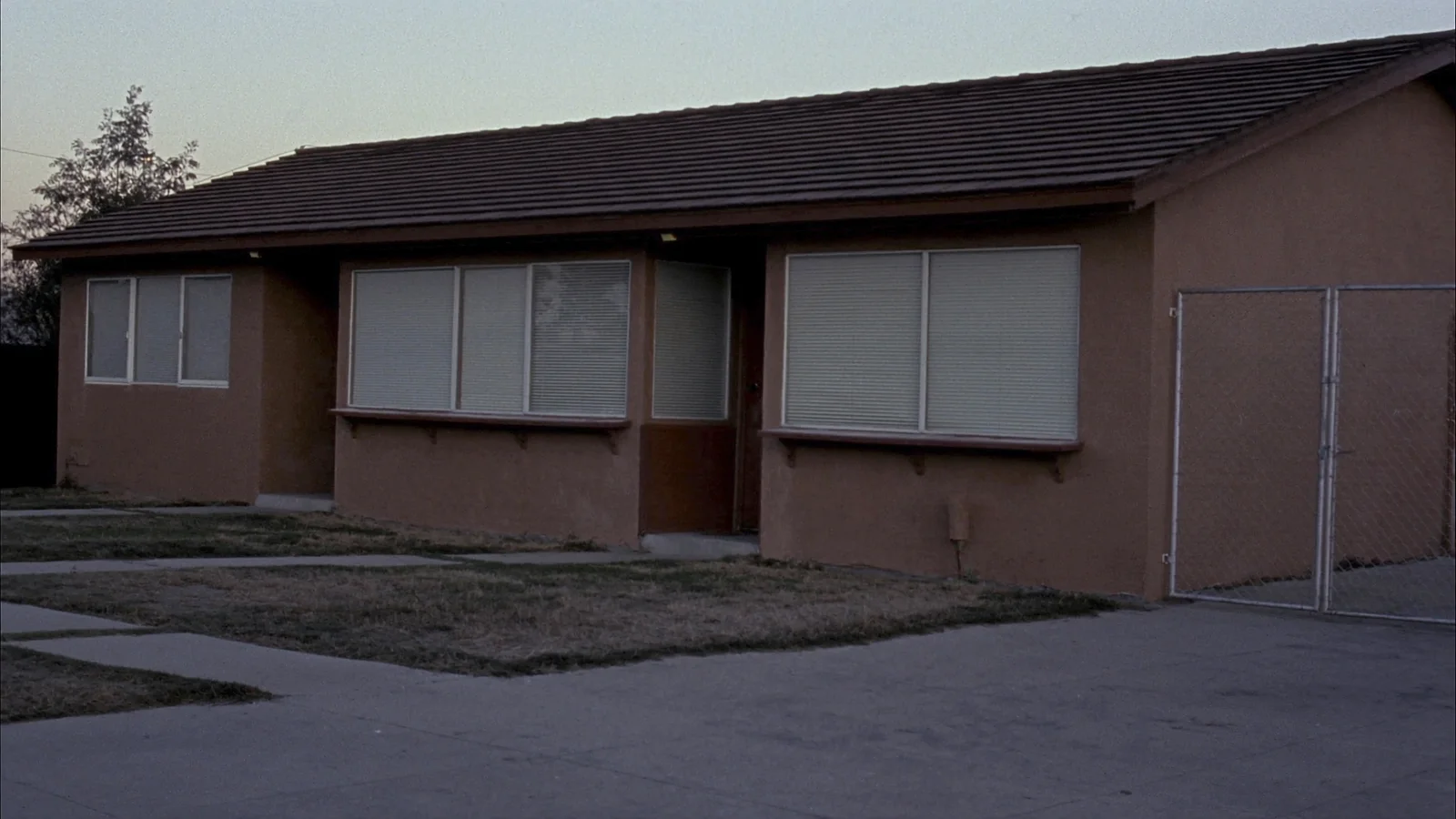
The Los Angeles County settlements approved in April 2025 (approximately $4 billion, covering close to 7,000 claims) and October 2025 (approximately $828 million) resolve claims from two County systems at once. Most public coverage focused on the juvenile halls. The child welfare side is equally large and, for many survivors, considerably less understood.
Placements covered by the claims include:
- Licensed foster homes: private households approved and paid by the County to take children.
- Group homes and residential treatment facilities: congregate placements for children with higher needs or no available foster placement.
- MacLaren Children’s Center: the County’s El Monte emergency shelter, which closed in 2003 after decades of complaints.
- Emergency and temporary shelter placements: short-term holds between placements, often undocumented in a child’s memory but present in County records.
- Relative and non-relative extended family placements: homes the County approved and supervised.
This is the point most people miss. The claim is not that a County social worker committed the abuse. It is that the County held legal custody of the child, chose the placement, was responsible for screening and monitoring it, and failed. A private foster parent’s conduct is exactly what the County’s screening and supervision duty existed to prevent.
MacLaren Children’s Center
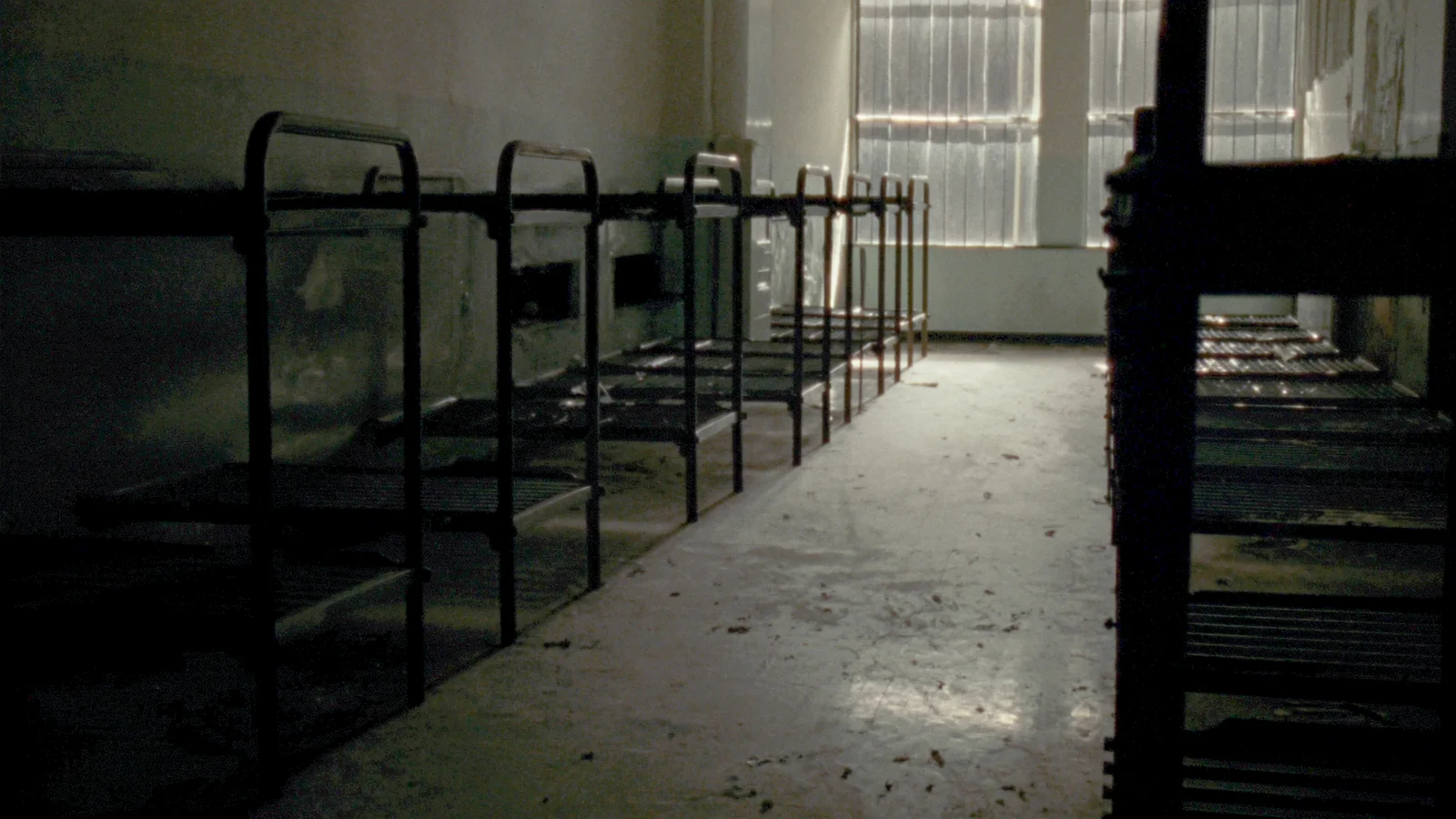
MacLaren appears in the foster-side claims more than any other single facility, for a simple reason: nearly every child removed from a home in Los Angeles County over several decades passed through it, and many passed through repeatedly. It was designed as a brief emergency stop and routinely functioned as a long-term warehouse for children the system had nowhere else to put.
Complaints about conditions and abuse at MacLaren surfaced repeatedly over its operating life and were the subject of official scrutiny well before the County closed it in 2003. For claimants, that history matters in a concrete way: institutional knowledge of a problem, documented over years, is exactly the evidence that establishes the County acted unreasonably by continuing to place children there.
How foster claims differ from detention claims
| Juvenile detention | Foster care | |
|---|---|---|
| Who ran it | LA County Probation Department | LA County DCFS, through private providers |
| Who abused | Usually County staff: probation officers and unit staff | Often private foster parents, group home staff, or other residents |
| Core records | Detention logs, unit assignments, personnel files | Placement histories, home licensing files, social worker case notes |
| Prior complaints | Internal probation complaints and investigations | Licensing complaints, referrals, and prior removals from the same home |
| Typical duration | Weeks to months per stay | Months to years, often across many placements |
| Settlement coverage | Same County settlements | Same County settlements |
Placement records are usually the key
Almost every foster-care survivor we hear from opens with some version of the same sentence: I don’t remember where I was. That is the expected condition, not a disqualifying one.
Los Angeles County maintains dependency and placement records that document, in most cases, every home a child was placed in, the dates, the reason for each move, and the social worker assigned. Those records do work that memory cannot. They establish that you were in County custody, where you were placed, and when, which is the foundation everything else is built on. Obtaining them is a routine part of the case, handled by your attorney, not something you need to figure out first.
County retention schedules and facility closures both destroy records over time. This is a practical argument for not waiting: the evidentiary picture in these cases generally gets thinner every year, and a placement history that exists today may not exist in five years.
Can you still file?
Yes. The settlements resolved the claims that had already been brought. They did not close Los Angeles County to new ones. Whether your specific claim is timely depends on your age at the time, the dates involved, and when you reasonably connected your psychological injury to what happened. That is the same California framework described on our juvenile facilities page and in our statute of limitations reference.
Questions we are asked most
Yes. The Los Angeles County settlements approved in April and October 2025 cover claims arising from both the Probation Department's juvenile detention facilities and the Department of Children and Family Services' foster and group home placements. Both systems are the County, and both were resolved together.
The County placed you there and retained the duty to screen the home, supervise the placement, and respond to concerns. Liability does not require the County to have employed the abuser. It requires that the County was responsible for deciding where you lived and failed to exercise reasonable care in making and monitoring that decision.
MacLaren Children's Center in El Monte was the County's emergency shelter for children removed from their homes. It operated for decades amid repeated complaints about conditions and abuse before closing in 2003. It appears frequently in the foster-side claims because so many children passed through it, often more than once.
No. Children in the dependency system are moved constantly, sometimes many times in a single year, and are rarely told where they are going or how long they will stay. County placement records reconstruct this. Recalling approximate ages, cities, or details about a home is usually enough to start.
It does not disqualify you. What matters is your age at the time of the abuse and when you reasonably connected the psychological harm to it, not your current status. California's AB 218 extended the deadline for childhood sexual assault claims to age 40 or five years from reasonable discovery, whichever is later.
- Los Angeles County Board of Supervisors settlement approvals, April 2025 and October 2025, covering Probation and DCFS claims.
- California Assembly Bill 218 (2019), amending Code of Civil Procedure § 340.1.
- Public reporting and County records concerning MacLaren Children’s Center, El Monte, and its 2003 closure.
- The Schroeder Firm, institutional abuse practice.