
This is general information written by our editorial team, not medical advice and not a substitute for care from a licensed clinician. If you are in crisis, call or text 988, or RAINN at 800-656-4673.
Why you did not fight back
The most persistent myth about sexual assault is that a real victim resists. The research says otherwise, and consistently. Möller, Söndergaard and Helström, writing in Acta Obstetricia et Gynecologica Scandinavica in 2017, found significant tonic immobility to be a common response among women reporting a recent assault.
Under extreme threat the human nervous system can enter tonic immobility, an involuntary state of paralysis, sometimes with an inability to speak or cry out. It is observed across species. It is not a decision, and it cannot be overridden by willpower or by having decided in advance what you would do. It occurs most reliably when escape is not realistically available, which describes nearly every situation involving a child, or an adult in an institution, or anyone locked in a moving vehicle.
Freezing is not consent. It is not compliance. It is a brainstem-level reflex, and a substantial proportion of survivors report it.
Why it took decades to tell anyone
Late disclosure is the norm. In institutional abuse it is close to universal. The research on how children disclose, summarised by London, Bruck, Ceci and Shuman, finds delay and partial or retracted disclosure to be ordinary rather than exceptional, and the reasons are structural rather than personal:
- No language for it. A child may have no framework for understanding what happened as abuse, and may not acquire one until adulthood.
- An accurate assessment of the odds. A child in custody, told they will not be believed, was usually correct. Reporting frequently made things worse.
- Dependence on the abuser. Where the person controlled food, safety, release recommendations, or approval, disclosure carried immediate cost.
- Shame that attaches to the victim. Almost universal, and almost universally misdirected.
- Deliberate silencing. Threats, grooming, and explicit instructions not to tell.
- Protecting other people. Family, siblings, a congregation, a team.
This is why expert testimony on delayed disclosure is a standard component of abuse litigation, and why the legislatures that enacted revival windows did so. They concluded that deadlines assuming prompt reporting were built on a false premise.
Why the memory is fragmentary
Traumatic memory is not stored the way ordinary memory is. Under extreme stress the systems that build sequential, narrative memory function differently, while sensory and emotional encoding intensifies.
The practical result is that survivors often remember a smell, a texture, a sound, or a ceiling with extraordinary vividness, and cannot reliably place the date, the order of events, or how long it lasted. This is a signature of trauma, not of unreliability, and it is exactly the pattern defense counsel will characterize as inconsistency.
This is worth knowing if fear of not remembering enough is what has stopped you from calling anyone. Institutional claims are built from the institution’s records: placement histories, personnel files, prior complaints, transfer patterns, and regulatory findings. Your account establishes what happened to you. The documents establish that it was foreseeable and that the institution failed. See what filing actually involves.
Long-term effects, without minimizing them
Childhood sexual abuse is among the most strongly evidenced adverse childhood experiences. The CDC-Kaiser Permanente ACE study, first published by Felitti and colleagues, and the research that followed it associate it with elevated lifetime rates of depression, anxiety, PTSD and complex PTSD, substance use, disordered eating, chronic pain and autoimmune conditions, difficulty with intimacy and trust, and interrupted education and employment.
Two things follow from that. First, if your life has been harder than it looks like it should have been, there is a documented reason and it is not a character flaw. Second, these effects are precisely what damages in a civil claim are meant to compensate, which is why medical records, employment history, and educational trajectory matter so much in these cases.
What actually helps
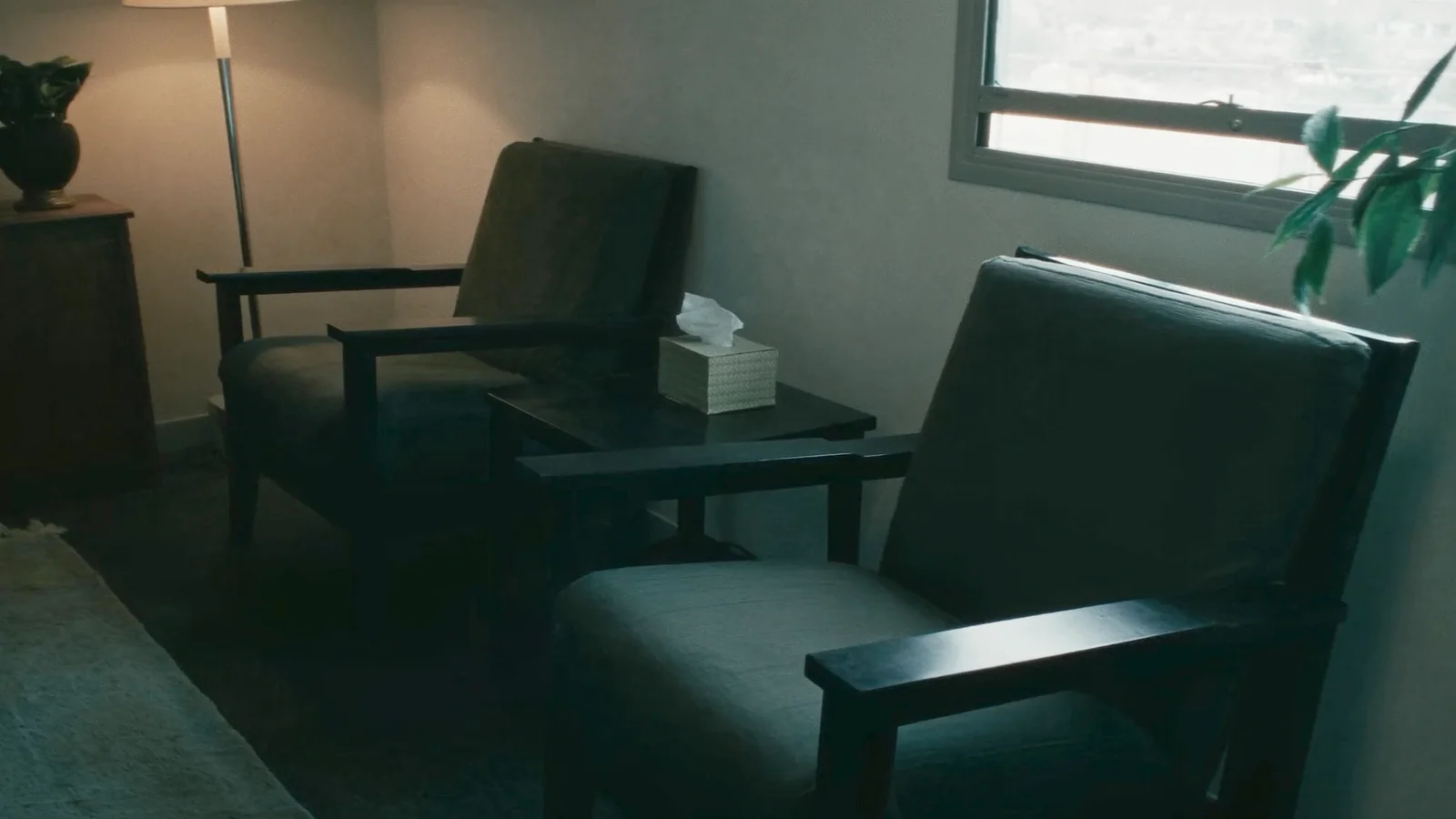
EMDR
Eye movement desensitization and reprocessing. It carries a strong evidence base for PTSD and appears in both the International Society for Traumatic Stress Studies guidelines and the VA/DoD Clinical Practice Guideline. Works on the memory itself and typically does not require extended verbal narration of the event, which some survivors find crucial.
Trauma-focused CBT
Addresses the beliefs trauma installs: that it was your fault, that you are permanently damaged, that the world is uniformly unsafe. Well established for both children and adults, and carried in the same two treatment guidelines.
Somatic approaches
Work with what the body holds: hypervigilance, startle response, dissociation, and chronic tension. Often used alongside talk therapy rather than instead of it.
Peer support groups
For many survivors the single most useful thing is being in a room with people who do not need it explained. Local rape crisis centers run them; 1in6 runs online groups for men.
Look for someone who names sexual trauma specifically, not general practice. Ask directly about their experience with it. That is a normal question, and a good clinician will not be offended. Your local rape crisis center usually keeps a vetted referral list and many offer free or sliding-scale counseling. If the first person is not right, changing is not failure.
Questions we are asked most
Because your nervous system made the decision, not you. Under extreme threat the body can go into tonic immobility, an involuntary freeze response that is documented across species and reported by a large proportion of sexual assault survivors. It is not consent, it is not passivity, and it is not a choice. It is a reflex, and it happens most often when escape is not realistically available, which describes nearly every institutional abuse situation.
Because that is the norm, not the exception. Children abused by an adult with authority over them frequently do not have language for what happened, are explicitly told not to tell, correctly assess that they will not be believed, or do not understand the experience as abuse until adulthood. Disclosure in middle age is common enough that expert testimony explaining it is a standard part of these cases.
Because relationships with abusers are rarely simple, particularly where the abuser controlled something you needed: housing, safety, approval, a release recommendation, or a career. Continued contact is extremely common and it is not evidence that the abuse did not happen. Defense counsel will raise it; courts and juries increasingly understand it.
Traumatic memory is encoded differently from ordinary memory. It is frequently fragmentary, intensely sensory, and out of sequence, because the brain regions that build orderly narrative memory function differently under extreme stress. You may recall a smell or a ceiling tile vividly and not the date or the sequence. That pattern is consistent with trauma; it is not evidence of fabrication.
Several approaches have solid evidence: EMDR (eye movement desensitization and reprocessing), trauma-focused cognitive behavioral therapy, prolonged exposure, cognitive processing therapy, and somatic approaches that work with the body's stored stress response. What matters most is finding a clinician who specifically treats sexual trauma rather than someone in general practice, and feeling safe enough with them to continue.
It can be hard, and being told otherwise would be dishonest. Depositions and discovery require revisiting the abuse in detail. Many survivors also describe the process as clarifying and stabilizing, an experience of being taken seriously, and of the institution having to answer rather than them. The realistic answer is that it is difficult and it is survivable, and it goes much better with a therapist in place before it starts.
- Research on tonic immobility during sexual assault, including Möller, Söndergaard & Helström, “Tonic immobility during sexual assault,” Acta Obstetricia et Gynecologica Scandinavica (2017).
- Felitti et al., Adverse Childhood Experiences (ACE) Study, and subsequent CDC-Kaiser ACE research on long-term health outcomes.
- London, Bruck, Ceci & Shuman, research on disclosure patterns in child sexual abuse.
- International Society for Traumatic Stress Studies treatment guidelines; VA/DoD Clinical Practice Guideline for PTSD.
- RAINN and 1in6 survivor resources.
